

The Feedback Part of Conversational Preaching

The Feedback Part of Conversational Preaching
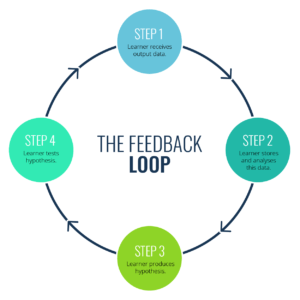 We are seeking to understand and implement effective communication through our preaching. One way to do that is to provide conversational preaching. The first post in this series is here. In this post I want to consider the importance of the feedback part of conversational preaching.
When you are in a conversation you are constantly evaluating and responding to feedback. You note emotions that are expressed through the raise of eyebrows or the sitting back. You evaluate the vocal responses to what you have said.
The same kind of evaluation can go on when engaging in conversational preaching. You can note whether people are paying attention by eye contact. You sometimes can identify emotional response, sometimes through tears. I recently gave the message at the funeral for a 95 year-old woman who, with her husband, befriended me when I came to my last church. As part of the message I described what scientists are finding about death, and shared Raymond Moody’s description of people who were clinically dead for a short time and what they experienced (see Raymond Moody’s book, Life after Life). I described a woman in our church who had died, but just before death came out of a coma like sleep to say, “I see angels”. Several people were wiping away tears as I spoke. I got their feedback as I went on to describe entering heaven where there is no pain, no suffering, no more tears. The responses that I received after that funeral told me that I had hit the point that morning.
Looking for Feedback
So, if you are preaching, how do you receive feedback? Let me offer a few suggestions.
Eye Contact
 You will be a better preacher the more you are free from your manuscript or notes. In fact, you should be scanning the congregation. You need not engage every person with eye contact, but you will be more effective if you are scanning areas of the worship area, connecting with some in each section. How are people reacting? Are there some who meet your eyes? Are the eyes generally on you, not on reading the bulletin or with their eyes on their phones reading the latest text that has come in?
Several years ago I was preaching my second service of the morning. My wife was back in my office waiting for me to finish so that we could go home. While there she noted a conversation happening on phones that she was unwittingly included in. It Was between two individuals, one in the congregation, the other in the control booth for sound and visuals. And it wasn’t about the sermon. This was, needless to say, a time for me to look at that message. I was getting feedback here–unsolicited, to be sure. Was it the general case of the congregation that day?
Solicited feedback
I’ve already mentioned in a previous post about an evaluation sheet. This is great feedback, and you can bet the people who fill it out will be paying attention.
Observed Feedback
Do people respond? Watch lives and conversations after the worship service. There’s an old story about a pastor who came to a new church. One of the big issues in the small town where he was going to be pastor was the need of a ministry in town that cared for the poor, both for volunteers and for money. The pastor mentioned this place as a possible response to the message. The pastor contacted the ministry after the first service to ask if anyone from his church had volunteered or given money. No response. So, on week 2, he preached the same message. Needless to say, people were surprised. But again, contact with the ministry showed no response from his congregation. So, in week 3, he preached the same message again. After the service the elders asked to meet with him and asked him what was up with preaching the same message 3 weeks in a row? His response: “When you start living out message one, I’ll move on to message 2.”
Conclusion
The feedback part of conversational preaching is an essential key to improving the success of you preaching. Find a way to get it when you preach and you will be moving more toward true conversational preaching.
