

The Skill of Meeting Human Needs in Preaching

The Skill of Meeting Human Needs in Preaching
We are working on some skills that will help us preach better. The first post in this series is here. In this post we will explore the skill of meeting human needs in preaching. Here is the bottom line: unless your preaching hits people where they live, addressing their needs, they will soon tune out.
The Core Idea
Preaching must connect biblical truth to the real-life needs, struggles, and longings of listeners. A sermon is not just an explanation of Scripture; it is God’s answer to human need through Scripture. The Bible is given to us to address a loving God’s plan and love for fall people.
Key Components of Meeting Human Needs in Preaching
Wayne McDill suggests 5 key components to using this skill well.
Identify the Human Need in the Text
Every text you choose in Scripture can be applied to some aspect of our human condition: pain, hurt, pride, fear, worry, guilt, shame, etc. As you work on the text, be aware of how it will connect to the human needs felt by the people to whom you preach.
Recognize Universal Human Needs.
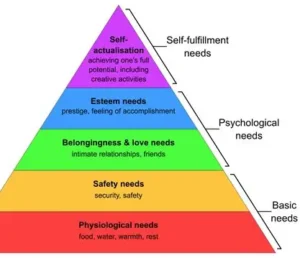 Human needs are amazingly consistent. Here are some of them you can be thinking about:
-
The need for forgiveness
-
The need for meaning and purpose
-
The need for hope
-
The need for security
-
The need for belonging
-
The need for guidance
-
The need for freedom from fear or guilt
How will your message connect to these kinds of needs?
Move from Information to Transformation
I’ve shared elsewhere that I had a pastor for 10 years during my formative years who vowed that he wouldn’t use illustrations or stories because they might distract from God’s Word. He wasn’t a great preacher. the great preacher connects the Word to the human condition in the hope and belief that the Word can transform people’s experience of God.
Be Specific, not Generic
When talking about worry, list some of the ways your people may be worrying. When preaching and fear is something that comes from the text, identify the various things that people might be afraid of. Don’t just say, “you have to trust God more.” Identify where and how they may have to trust God more.
Connect the Need to God’s Provision.
Explain how what you are preaching on that morning connects to God’s provision for your people in their need.
Some Examples
Here are some examples that I got when I plugged this idea into AI.
1️⃣ Example: Anxiety and Fear
Text: Matthew 6:25–34 (Do not worry about your life)
Human Need Identified: Security in the face of uncertainty.
How the preacher touches the need:
-
“Some of you lie awake at 2:00 a.m. replaying financial fears.”
-
“Parents worry about their children’s future.”
-
“Some of you are quietly afraid you won’t have enough.”
The preacher names real experiences of anxiety.
God’s Provision in the Text:
-
The Father knows.
-
The Father provides.
-
The Father values you.
Connection:
Jesus does not merely command, “Stop worrying.”
He invites trust in a good Father.
Result: The sermon moves from abstract teaching on providence to personal reassurance rooted in God’s character.
2️⃣ Example: Guilt and Shame
Text: Psalm 51 (David’s repentance)
Human Need Identified: Cleansing from guilt and restoration after failure.
How the preacher touches the need:
-
“Some of you carry a private failure you hope no one discovers.”
-
“You replay a decision that cannot be undone.”
-
“You wonder if God is tired of forgiving you.”
The preacher gives language to hidden shame.
God’s Provision in the Text:
-
God delights in mercy.
-
A broken spirit He will not despise.
-
Cleansing and renewal are possible.
Connection:
David’s cry becomes the listener’s prayer.
Result: The sermon moves from biography to invitation.
3️⃣ Example: Discouragement in Leadership
(Since you’ve been working through leadership material, this fits well.)
Text: Nehemiah 4 (Opposition during rebuilding)
Human Need Identified: Perseverance when discouraged by criticism and fatigue.
How the preacher touches the need:
-
“Leaders grow weary when the work is constant and the criticism is loud.”
-
“You start strong, but opposition drains your joy.”
-
“Some of you are close to quitting.”
God’s Provision in the Text:
-
Remember the Lord who is great and awesome.
-
Work and watch.
-
Community support strengthens endurance.
Result: The message speaks directly into ministry discouragement instead of remaining a historical study of wall-building.
4️⃣ Example: Identity and Worth
Text: Luke 15 (The Prodigal Son)
Human Need Identified: The longing to belong and be accepted.
How the preacher touches the need:
-
“Some of you feel you’ve gone too far.”
-
“Others are trying to earn approval by being the ‘good’ one.”
-
“Many of us live with a quiet fear of rejection.”
God’s Provision in the Text:
-
The Father runs.
-
The Father restores.
-
The Father celebrates.
Result: The parable becomes about our search for home — not just a famous story.
5️⃣ Example: Fear of the Future
Text: Joshua 1:1–9
Human Need Identified: Courage when stepping into the unknown.
How the preacher touches the need:
-
“Transitions expose insecurity.”
-
“New roles make us aware of our inadequacy.”
-
“You’re not sure you’re enough for what’s ahead.”
God’s Provision in the Text:
-
“I will be with you.”
-
“Be strong and courageous.”
-
God’s presence, not Joshua’s strength, is the foundation.
What Makes These Examples Work?
In each case:
-
The preacher identifies the fallen human condition.
-
The preacher names it specifically and realistically.
-
The preacher shows how the text reveals God’s answer.
-
The listener sees: “This passage is about me.”
