

Meaningful gestures and preaching
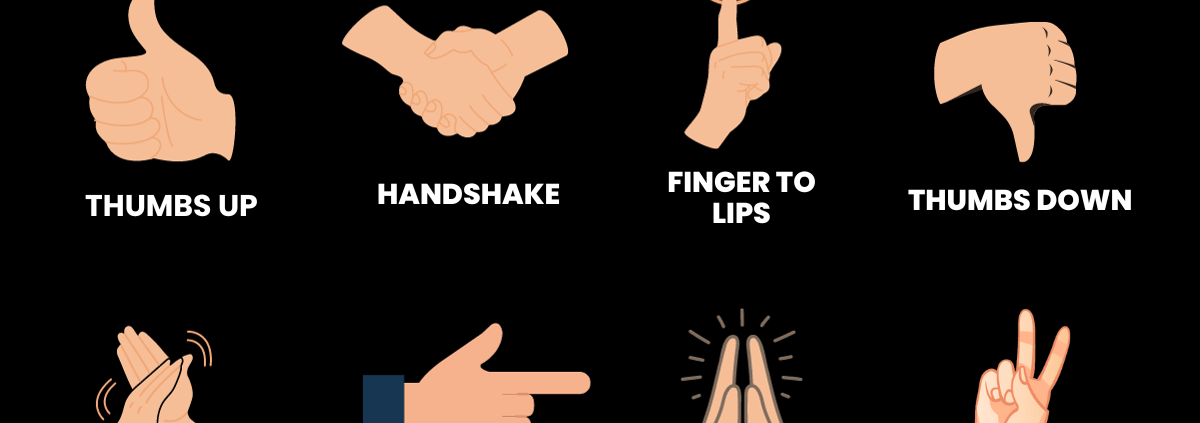
Meaningful Gestures and Preaching
We are in a series of posts on the positives of conversational preaching. In other words, the more people feel like you are in a conversation with them, the more likely they will be impacted by your message. The first post in the series is here. In this post I want o reflect on meaningful gestures and preaching.
What’s A Meaningful Gesture?
For a gesture to be meaningful, it must relate directly to the main thought and what is being said at the moment. There are a variety of kinds of gestures:
- Open hands talking about surrender?
- Setting down a heavy object when talking about laying down a burden
- Walking with someone around to demonstrate how we get into a pattern of walking and comparing that to our walk with God.
And so many more. Here’s the point: a meaningful gesture can create impact for your message, and make it more memorable.
What Makes A Gesture Meaningful?
 Here’s a list created by ChatGPT from main thinkers about public speaking about what makes a gesture meaningful:
- It has a clear connection to the message.
The gesture reinforces an idea rather than simply adding movement. For example, opening your hands while talking about receiving God’s grace can embody the concept of receiving. - It is natural rather than manufactured.
People can usually sense when a gesture is being “performed.” A meaningful gesture grows out of genuine engagement with the thought or emotion being expressed. - It is specific.
A gesture that communicates something particular is more powerful than generic movement. Pointing toward the congregation while saying “you” has meaning; repeatedly moving your hands simply because you’re talking does not. - It is congruent with your words.
Your body and words should tell the same story. If you say, “This was a tiny problem” while making a huge sweeping gesture, the incongruence can distract or even create humor. - It has appropriate intensity.
The gesture should fit the emotional weight of the moment. A subtle gesture may be more powerful than a dramatic one when the subject is intimate or solemn. - It is timely.
A gesture has greater impact when it occurs at the precise moment the idea is expressed. Think of it as punctuation for the spoken word.
If you’re interested in further reflection, here’s an article from SemonCentral about gestures.
The Danger of Meaningless Gestures
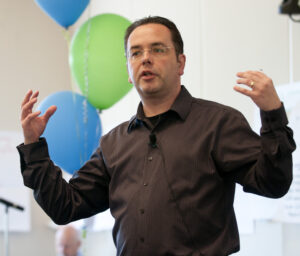
 I listened and watched someone preach this past Sunday. The speaker seemed to have a need to keep his hands moving. Some of his gestures seemed to have little relationship to what he was saying. Other gestures seemed overly dramatic. I began thinking watching the gestures to the point that I wasn’t listening to what he was saying.
Relating to Conversational Preaching
Think about the gestures you use when you are having a conversation with someone. Usually your gestures are not dramatic unless the topic demands that. They are simple punctuations on your conversation. Meaningful gestures and preaching are closely related to effective preaching
How To Develop More Meaningful Gestures
There are, in reality, only two things to do: 1) practice more; Practice your gestures. It might be helpful to practice them before a mirror so that you get a feel for what you are doing. I am convinced that most of our meaningless gestures are done almost subconsciously.
A second thing to do is watch yourself. If your church records services or puts them on Youtube, watch yourself preach. Are your gestures helping or hurting your message.
And a third thing: watch some preachers who are known to be effective communicators. Note what they can teach you about meaningful gestures and preaching.
