

Breaking the Conversational Preaching Barrier
Breaking the Conversational Preaching Barriers
 We are considering the effectiveness and challenges of conversational preaching. In this post I want to consider how to break the conversational preaching barriers. We have been looking at some of the challenges in previous posts (the first is here).
Some of The Barriers
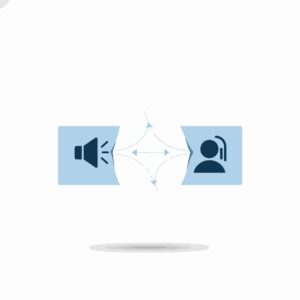
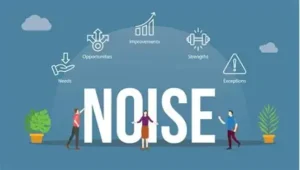
The speaker and listener must have the same picture in mind when words are used; Here are some of the ways that “noise” becomes a great barrier to your communication as a preacher. Here are some of the
that can create a breakdown in communication:
- Physical noise: External environmental distractions, such as construction sounds, loud conversations, poor lighting, or static on a phone line, that make it difficult to hear or see the message
- Psychological noise: Internal mental or emotional states, such as stress, anxiety, biases, or preconceived notions, that affect how a message is interpreted.
- Semantic noise: Misunderstandings arising from language, jargon, or ambiguous words that cause the receiver to misinterpret the message.
- Physiological noise: Physical conditions of the sender or receiver, such as fatigue, hunger, or hearing and vision impairments, that interfere with message reception.
- Organizational noise: Confusion caused by poorly structured messages, unclear instructions, or disorganized communication formats
- Technical noise: Disruptions due to faulty equipment, such as a broken microphone, poor internet connection, or software glitches
What To Do With Noise
 I suspect if you’ve been preaching for some time that you can give examples of each of these. What do you do when you sense that noise is impacting your communication? The easy answer is: remove the noise. The trouble is that many of these kinds of noise are not in your power to remove. Sometimes you can remove physical noise by simply removing the cause. Tell the construction crew to stop for the present. You can ask people talking loudly to stop. I once had two kids in the front row start talking and poking each other. I walked right up to them and said, “Stop”. In that case, it worked. The parents removed the kids. Breaking the conversational preaching barriers will improve how people process your preaching.
Psychological noise
It is unlikely that you will be able to deal with psychological noise. You can address it, and that is sometimes helpful. You can say something like one speaker that I heard preach. He said at the beginning of his message: “I know some of you come into this room tonight with burdens, worries, fears. Let’s take a moment and pray that God will help you set those aside to hear an important message from God.”
I’m not sure whether or not that worked for the people in his audience, but at least it put it up front, and, I suspect, gave the listeners so impacted a renewed effort to pay attention.
Physiological Noise
You likely can’t do much about these barriers. If you know that some of the people have poor hearing, you speak louder. If people are hungry, you likely can’t do much about that in the midst of the sermon.
Organizational Noise
You can do something about this! Make sure your message is clearly organized and passionately presented.
Technical Noise
There are ways to handle this kind of noise. Do a thorough sound check before the service. If something goes awry during the message, train your tech people to give you a new microphone. One time I had the powerpoint go out of commission in the middle of my message. I proceeded to describe each slide as if it were coming up on the screen.
These kinds of noise can be handled, but you must be prepared.
Conclusion
When you think about breaking communication barriers, know that many of them can be broken, but only through anticipation and preparation. Know that if you don’t address the barriers that exist, you may likely have wasted your time in preparing your message.
