
Things To Remember In A First Person Sermon

Things To Remember In A First Person Sermon
We’ve been thinking through the purpose and challenges of doing a first person sermon. In this last post on the subject I want to consider some things to remember in a first person sermon as a wrap-up to this subject.
Remember To Identify the Purpose of the Sermon
In a regular sermon it is important to identify what you want to accomplish, what you want people to know. The importance of writing the purpose of the message, your main purpose in preaching it, in one sentence is something that is very important. If you need a refresher on this idea, check it out here.
In a first person sermon you still want to think through what will be the main idea, the thing you want people to walk out remembering. This is not only about telling a good story. It is about bringing the Word in the fresh way. So, what do you want to leave the people with? In the Peter sermon from the last post you could choose many primary things to focus on. You could focus on failure and forgiveness, for instance. Peter failed Jesus, but was restored to apostleship. When you tell the story you can focus on that aspect of Peter’s life and ministry.
You could focus on the boldness that should result in the filling of the Spirit. The healing of the cripple in the early chapter of Acts could be one of your emphases, especially the prayer of the believers to boldly proclaim the story of Jesus in response to the threat of the religious leaders. Whatever your choice for a main idea, you need to build this into your message. Give examples of how Peter experienced fear and failure, but make sure in your first person sermon to challenge the people to be bold in their proclamation of Jesus. This is one of the things to remember in a first person sermon.
Remember to use picture language
 I am a reader of novels. The good writers, I have noticed, spent time and words creating the scene. What clothes were the people wearing? What did they look like? All of these are covered.
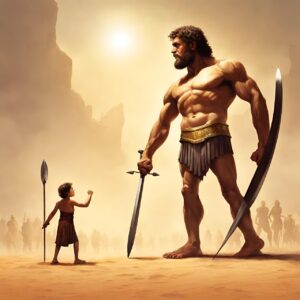
When you create a first-person sermon, know that people respond to pictures. Describe the scene of the major events of your subject. In first-person sermon of David, for instance, you could describe the fear on the faces of the Israelite soldiers as they heard the challenge of Goliath. You could describe how he looked, the intimidating weapons that he had.
Get the picture? Draw the picture! This, too, is one of the important things to remember when creating a first-person sermon.
Remember to use your body
 When telling a first person sermon don’t stand behind the pulpit. You will be more effective if you move around. I had one pastor when growing up that I remember as an incredibly boring preacher. He preached with both hands holding a large pulpit Bible. He never used a gesture, and he never used a story illustration. Once he told a group of us why he did this. He said he didn’t want anything to distract from the pure preaching of the Word. This man was my pastor for 10 years, and I don’t remember a single sermon that he preached during that period.
In a first person story, your body becomes part of the story. Watch any good story teller, and you’ll find that this is part of their secret. I had the privilege a couple of years ago of being in a production of Shakespeare’s MacBeth. A great deal of attention was given to where we moved on the stage, how we looked, etc., because we were telling a story, and good story tellers use their bodies.
Conclusion
These are things to remember in a first person sermon in your church or Bible study. Give this a try sometime. For more reflection on this subject, here is an article in Preaching Magazine that lays out some suggestions for first person sermons.

