

The Skill of Concluding Effectively

The Skill of Concluding Effectively
 We are considering the skills that we can work on that will improve our preaching. We began this series here, if you are new to this blog. In this post I will consider the skill of concluding effectively as the crowning skill to develop for great preaching. We are loosely following the suggestions in Wayne McDill’s book, The 13 skills to develop for great preaching.
What Is a Good Conclusion Supposed To Do?
The conclusion of a sermon is not a time to summarize the content you’ve been focusing on. Rather, the purpose is to intensify the message and push the listener toward a response. Here is a summary pf McDill’s chapter on creating effective conclusions
McDill’s skill of creating conclusions centers on:
- Designing the ending early
- Aiming at one clear response
- Compressing the sermon’s core ideas
- Avoiding new material
- Using imagination to make the appeal vivid
- Keeping it brief
- Delivering it with conviction
Further Reflections on the skill of concluding effectively
Let’s dig a little deeper on that summary. First of all, an effective conclusion is essential for your sermon to be great. Therefore, a conclusion is not something you come to at the spur of the moment. It must be thought through and planned carefully. How can you pound home the main point of your message to your hearers? That’s the question you must answer as you plan your conclusion.
Some Examples of effective conclusions
🌿 1. The “Clear Call to Action” Conclusion
Text: James 1:22 — Be doers of the word
You’ve heard the truth today: God’s Word is not meant to be admired but obeyed. The mirror has been held up, and we’ve seen ourselves clearly. Now the question is simple—will we walk away unchanged, or will we act? This week, choose one place where you’ve been hearing but not doing, and take the step God has already shown you. Don’t wait for a better moment. The moment is now. God is ready to meet you in obedience.
🔥 2. The “Imaginative Picture of Obedience” Conclusion
Text: Luke 15 — The Prodigal Son
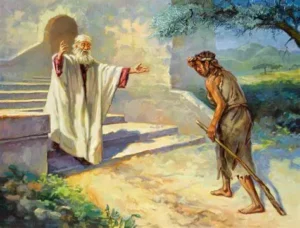 Picture the Father standing at the edge of the road—robe gathered, eyes fixed, heart pounding with hope. That’s where He stands for you today. The sermon has shown us His compassion, His readiness, His joy in receiving the repentant. So take the road home. Whatever distance you’ve traveled, it’s only one step back to the Father’s arms. See Him running toward you. Hear His welcome. Feel His embrace. Come home today.
🌧️ 3. The “Emotional Compression” Conclusion
Text: Psalm 23 — The Lord is my Shepherd
We’ve walked through the valley with David. We’ve seen the Shepherd’s rod, His table, His goodness that follows us. All of it leads to one truth: you are not alone. So when fear rises this week, speak the Shepherd’s name. When darkness presses in, remember His presence. When you feel lost, listen for His voice. Let the Shepherd lead you—because He already is.
🛠️ 4. The “Practical Step” Conclusion
Text: Ephesians 4:32 — Be kind, tenderhearted, forgiving one another
We’ve traced the path of forgiveness today—from God’s heart to ours. And now the sermon comes to its destination: someone in your life needs the forgiveness you’ve been withholding. You know their name. You’ve felt the weight. This week, take one step toward reconciliation. A call. A message. A conversation. Not because they deserve it, but because Christ forgave you. Let grace move from your heart into your actions.
🌅 5. The “Hope-Filled Vision” Conclusion
Text: Revelation 21 — A new heaven and new earth
 We’ve lifted our eyes to the world God is preparing—a world without tears, without death, without fear. And that vision isn’t meant to stay in the future; it’s meant to shape how we live today. So walk out of here with hope. Let the promise of God’s future give you courage in the present. The story ends in victory. Live like someone who knows how the story ends.
Final Example
I’ve been sharing with you the sermon that I preached a couple of weeks ago, with the title, The Cross in the Center. The main idea was that we need to keep the cross in the center of our lives and our church life. The cross teaches us something about ourselves: that we are not as good as we might think. And it teaches us something about God, that he loves us more than we can imagine.
I concluded that sermon with two final reflections: 1) to remind ourselves daily that we aren’t good. We need grace. And secondly, I pointed out that many are leaving the church, and few are coming in the US. One reason why, I think, is that we have made all sorts of declarations about how bad the world is, even naming certain sins. Maybe if they heard from us that we are sinners, too, and we welcome them to come in and experience Jesus, maybe more would come. I shared the lyrics to the song, “Truth Be Told,” by Matthew West.
