

The Skill of Observation for Preaching

The Skill of Observation For Preaching
We are in a series of posts about necessary skills to develop for great preaching. In the last post, we considered the skill of looking at the text carefully, identifying the main points and the subpoints. In this post we are going to consider the skill of observation for preaching great sermons.
Things to Observe for Preaching
After diagramming and considering the text there’s another step. You need need to look closely to determine what truth God is communicating in this passage.
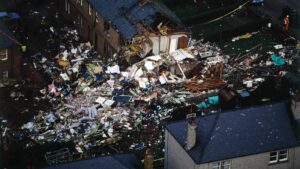
Lockerbie plane crash
Detectives develop great skills in observation. They are trained and practice looking beyond the surface to determine what happened and who or what may have caused it to happen. A classic example is the 1988 Pan Am Flight 103 that exploded over Lockerbie, Scotland. The big question was: who planted the bomb. Investigators began to sift through the evidence. In late 1989, a Scottish investigator found a piece of plastic that further testing identified as part of a timing device. That plastic was traced to Malta, and soon indictments were issued.
This story is how Wayne McDill begins his chapter on the skill of observation in his book, The Twelve Essential Skills for Great Preaching.
What To Look For
So, as you observe, what specifically are you looking for? Here’s Dill’s list of things to observe.
- Comparisons
- Contrasts
- Conditional Statements
- Correlative structure
- Reasons
- Purpose
- Results
An Example
Recently, I was working on a sermon on this well-known passage:
The Developing Sermon
Here are some things that may occur to you to create a sermon out of these observations.
- People all over my country say, whether they agree on the politics of the day or not, that something is broken. We need healing.
- I wonder, do people look at us Christians and see “Little Christs?” Remember that the believers were first called Christians in Antioch. (Acts 11:26). They were called. It is a passive verb. In other words, they didn’t call themselves this. People saw their lives, their values, their choices and thought–that reminds me of what I know of Jesus Christ. Does your neighbor think that of you?
- God honors a humble heart. The story of the Pharisee and the Tax Collector is instructive here. It’s found in Luke 18:
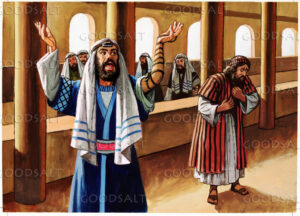 9 To some who were confident of their own righteousness and looked down on everyone else, Jesus told this parable:10 “Two men went up to the temple to pray, one a Pharisee and the other a tax collector. 11 The Pharisee stood by himselfand prayed: ‘God, I thank you that I am not like other people—robbers, evildoers, adulterers—or even like this tax collector.12 I fast twice a week and give a tenth of all I get.’
13 “But the tax collector stood at a distance. He would not even look up to heaven, but beat his breast and said, ‘God, have mercy on me, a sinner.’
14 “I tell you that this man, rather than the other, went home justified before God. For all those who exalt themselves will be humbled, and those who humble themselves will be exalted.”
- How much do I pray for revival to happen in my town, my country?
- Seeking his face is a reference to trying to get to know God better.
Conclusion
The skill of observation for preaching will help you become a better preacher. Practice it.

